
Teak Decking: Installation, Care, and Restoration Guide
Teak decking represents the pinnacle of yacht exterior finishing, prized for centuries by boat builders and owners worldwide. Its combination of natural beauty, exceptional durability, and practical non-slip properties makes it the gold standard for yacht decks. Understanding proper installation, daily care, and restoration techniques ensures your teak investment provides decades of stunning service.
Why Teak Dominates Yacht Decking starts with its unique cellular structure. Teak contains natural oils and silica that repel water, resist rot, and deter marine borers and termites. These same oils provide natural UV protection, allowing teak to withstand constant sun exposure without deteriorating like other woods. The wood's high silica content creates naturally non-slip surfaces even when weta critical safety feature. Teak's dimensional stability means minimal expansion and contraction with temperature and moisture changes, preventing warping and maintaining tight seams. The wood's density resists impact damage from dropped equipment or dragged anchors. No other material combines all these properties so elegantly.
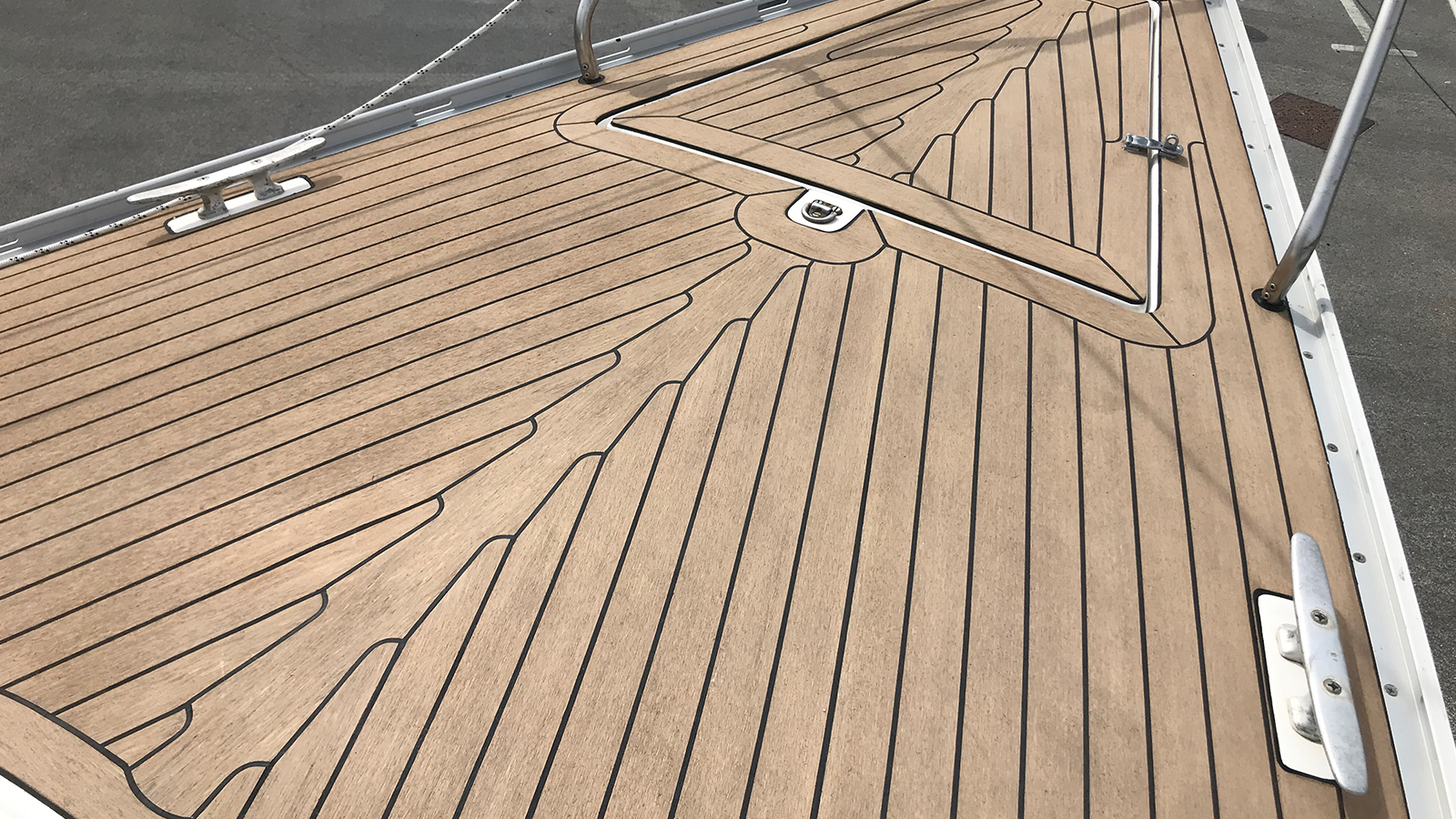
Installation Methods have evolved but remain rooted in traditional craftsmanship. Classic laid teak involves screwing individual planks directly to the deck substrate, typically marine plywood or fiberglass. This method requires skilled labor but offers superior authenticity, repairability, and longevity. Seams between planks are filled with black polysulfide or polyurethane caulk creating the iconic teak deck appearance. Modern prefabricated panel systems arrive in large sections for faster installation with fewer deck penetrations. These panels glue directly to prepared surfaces without screws. Drop-in systems use synthetic backing materials and can be installed or removed relatively easily. Each method has meritstraditional offers timeless beauty and infinite repairability, while modern approaches reduce installation time and initial costs.
Daily Care maintains your teak's appearance without excessive effort. The golden rule: rinse with fresh water daily or after each voyage. This simple practice removes salt crystals that draw moisture and accelerate weathering. Never use soap, detergent, or household cleanersthese strip natural oils leaving wood vulnerable. For light dirt, use a soft brush with fresh water only. Stubborn stains respond to nylon brushes, never wire or stiff bristles that scratch surfaces. Prevent staining by cleaning spills immediately, particularly fish blood, wine, or oil. The goal is preserving natural oils while removing contaminants.
Professional Cleaning Services should be employed annually, typically at season's start. Specialists use two-part teak cleaners: first, an acid-based cleaner removes oxidation and grime; second, an alkaline brightener restores natural color. These products work more effectively than single-step cleaners but require proper neutralization to prevent damage. Professional application ensures optimal results without over-cleaning. Many owners attempt DIY teak cleaning but risk inconsistent results or damage from improper technique. The cost of professional service typically justifies itself through superior outcomes and time savings.
The Oil-or-Not Debate divides teak enthusiasts into passionate camps. Oiling creates beautiful golden honey tones that many find irresistible. However, oiled teak requires reapplication every few months as UV and foot traffic wear away the finish. Oiled surfaces can become slippery when weta significant safety concern. Oil also darkens over time and collects dirt. The alternative is allowing natural weathering to silver-gray patina. This low-maintenance approach is historically authentic and preferred by traditionalists. Silver teak shows less dirt and requires only water rinsing. The decision comes down to aesthetic preference and maintenance commitment. Many modern owners choose natural weathering for its practicality.
Restoration Breathes New Life into Old Decks that appear beyond saving. Professional restoration begins with assessmentmeasuring remaining deck thickness to determine sanding capacity. Each major sanding removes 1-2mm of wood. Most teak decks accommodate 3-5 full restorations over their lifetime. The process uses specialized drum sanders that remove oxidized layers, old caulk, and surface damage. After sanding, seams are re-caulked with modern materials that flex with wood movement. The result reveals fresh, golden teak beneath weathered gray surfaces. However, restoration costs several thousand dollars for modest yachts and much more for large vessels. Owners must balance restoration costs against replacement costs when decks thin significantly.
Longevity Expectations for Quality Teak depend entirely on maintenance. Properly cared-for teak decking typically lasts 20-30 years before requiring replacement. Neglected decks may fail in 10-15 years. Factors affecting lifespan include: teak thickness at installation, quality of caulk and workmanship, climate exposure, usage intensity, and maintenance consistency. The thickest installations provide longest service life. Quality Burma teak outlasts Indonesian or plantation teak. Regular cleaning and oil removal extends life significantly. When replacement becomes necessary, consider sustainabilitylook for FSC-certified teak from managed forests or explore synthetic alternatives that mimic teak's appearance.
Synthetic Alternatives have improved dramatically but don't yet match authentic teak. Modern synthetics offer convincing appearance, lower maintenance, and environmental advantages. However, they conduct more heat, lack natural oils, and don't develop beautiful patina. Most experienced yacht owners still prefer real teak despite higher costs and maintenance requirements.
Investment Protection means treating your teak deck as the valuable asset it represents. Budget for annual professional cleaning. Address damage promptly before small problems expand. Use quality deck furniture pads to prevent scratches. Consider removable teak decking for areas with extreme wear. Your beautiful teak deck enhances your yacht's value and enjoyment for decades when properly maintained.
Why Teak Dominates Yacht Decking starts with its unique cellular structure. Teak contains natural oils and silica that repel water, resist rot, and deter marine borers and termites. These same oils provide natural UV protection, allowing teak to withstand constant sun exposure without deteriorating like other woods. The wood's high silica content creates naturally non-slip surfaces even when weta critical safety feature. Teak's dimensional stability means minimal expansion and contraction with temperature and moisture changes, preventing warping and maintaining tight seams. The wood's density resists impact damage from dropped equipment or dragged anchors. No other material combines all these properties so elegantly.
Installation Methods have evolved but remain rooted in traditional craftsmanship. Classic laid teak involves screwing individual planks directly to the deck substrate, typically marine plywood or fiberglass. This method requires skilled labor but offers superior authenticity, repairability, and longevity. Seams between planks are filled with black polysulfide or polyurethane caulk creating the iconic teak deck appearance. Modern prefabricated panel systems arrive in large sections for faster installation with fewer deck penetrations. These panels glue directly to prepared surfaces without screws. Drop-in systems use synthetic backing materials and can be installed or removed relatively easily. Each method has meritstraditional offers timeless beauty and infinite repairability, while modern approaches reduce installation time and initial costs.
Daily Care maintains your teak's appearance without excessive effort. The golden rule: rinse with fresh water daily or after each voyage. This simple practice removes salt crystals that draw moisture and accelerate weathering. Never use soap, detergent, or household cleanersthese strip natural oils leaving wood vulnerable. For light dirt, use a soft brush with fresh water only. Stubborn stains respond to nylon brushes, never wire or stiff bristles that scratch surfaces. Prevent staining by cleaning spills immediately, particularly fish blood, wine, or oil. The goal is preserving natural oils while removing contaminants.
Professional Cleaning Services should be employed annually, typically at season's start. Specialists use two-part teak cleaners: first, an acid-based cleaner removes oxidation and grime; second, an alkaline brightener restores natural color. These products work more effectively than single-step cleaners but require proper neutralization to prevent damage. Professional application ensures optimal results without over-cleaning. Many owners attempt DIY teak cleaning but risk inconsistent results or damage from improper technique. The cost of professional service typically justifies itself through superior outcomes and time savings.
The Oil-or-Not Debate divides teak enthusiasts into passionate camps. Oiling creates beautiful golden honey tones that many find irresistible. However, oiled teak requires reapplication every few months as UV and foot traffic wear away the finish. Oiled surfaces can become slippery when weta significant safety concern. Oil also darkens over time and collects dirt. The alternative is allowing natural weathering to silver-gray patina. This low-maintenance approach is historically authentic and preferred by traditionalists. Silver teak shows less dirt and requires only water rinsing. The decision comes down to aesthetic preference and maintenance commitment. Many modern owners choose natural weathering for its practicality.
Restoration Breathes New Life into Old Decks that appear beyond saving. Professional restoration begins with assessmentmeasuring remaining deck thickness to determine sanding capacity. Each major sanding removes 1-2mm of wood. Most teak decks accommodate 3-5 full restorations over their lifetime. The process uses specialized drum sanders that remove oxidized layers, old caulk, and surface damage. After sanding, seams are re-caulked with modern materials that flex with wood movement. The result reveals fresh, golden teak beneath weathered gray surfaces. However, restoration costs several thousand dollars for modest yachts and much more for large vessels. Owners must balance restoration costs against replacement costs when decks thin significantly.
Longevity Expectations for Quality Teak depend entirely on maintenance. Properly cared-for teak decking typically lasts 20-30 years before requiring replacement. Neglected decks may fail in 10-15 years. Factors affecting lifespan include: teak thickness at installation, quality of caulk and workmanship, climate exposure, usage intensity, and maintenance consistency. The thickest installations provide longest service life. Quality Burma teak outlasts Indonesian or plantation teak. Regular cleaning and oil removal extends life significantly. When replacement becomes necessary, consider sustainabilitylook for FSC-certified teak from managed forests or explore synthetic alternatives that mimic teak's appearance.
Synthetic Alternatives have improved dramatically but don't yet match authentic teak. Modern synthetics offer convincing appearance, lower maintenance, and environmental advantages. However, they conduct more heat, lack natural oils, and don't develop beautiful patina. Most experienced yacht owners still prefer real teak despite higher costs and maintenance requirements.
Investment Protection means treating your teak deck as the valuable asset it represents. Budget for annual professional cleaning. Address damage promptly before small problems expand. Use quality deck furniture pads to prevent scratches. Consider removable teak decking for areas with extreme wear. Your beautiful teak deck enhances your yacht's value and enjoyment for decades when properly maintained.