
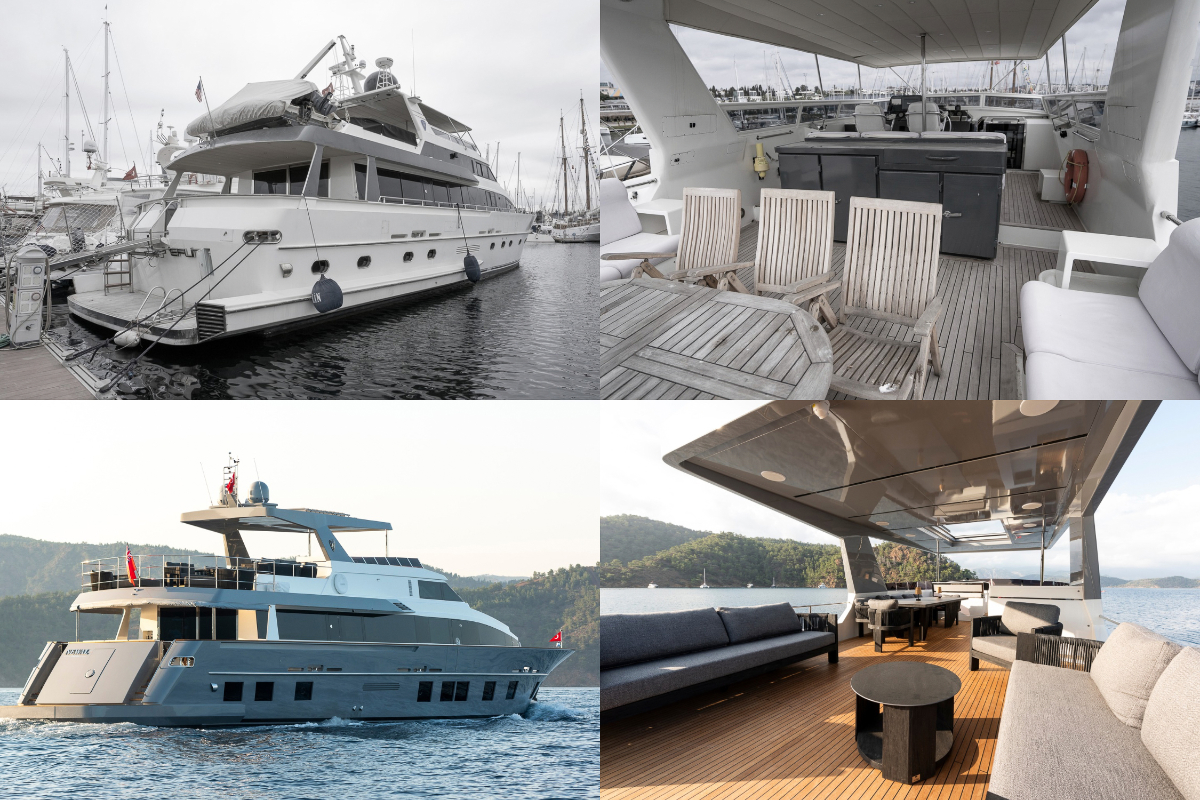
Yacht Refit vs New Build: Making the Right Investment Decision
Choosing between refitting your existing yacht versus commissioning a new build represents one of the most significant decisions in yacht ownership. Both paths lead to your dream vessel, but the journey, costs, timeline, and results differ substantially. Understanding the advantages and challenges of each option helps you make the right choice for your circumstances.
The Refit Advantage centers on cost-effectiveness and emotional connection. Comprehensive refits typically cost 40-60 percent less than new construction for comparable results. You preserve the hull and structure you know and trustits handling characteristics remain familiar even as systems modernize. Timeline advantages matter toomajor refits usually complete in 6-18 months versus 2-4 years for new builds. During this period, your investment grows rather than depreciating like a new build during construction. You also maintain your yacht's unique character while updating systems and aesthetics. Historic or classic yachts gain value through thoughtful restoration. Finally, refitting avoids the depreciation hit that new vessels experience in their first few years.
When Refit Makes Perfect Sense depends on several factors. If your hull shows excellent condition with decades of life remaining, refit is logical. Fiberglass hulls properly maintained can last 50-100 years. Many owners have emotional attachments to vessels that carried families through adventuresreplacing that history is impossible. Refitting suits situations where you want specific updates without complete replacement: new engines, updated electronics, refreshed interior, or system upgrades. Budget constraints make refitting attractiveachieving luxury results at moderate expense. Quick turnaround needs also favor refits when you can't wait years for new construction. Finally, unique vessels that would be impossible or prohibitively expensive to replicate make refit the only viable option.
The New Build Opportunity offers complete customization from the keel up. You control every detailhull design, propulsion system, layout, materials, and equipment. No compromises exist with existing structure or systems. Latest hull designs incorporate computational fluid dynamics for optimal efficiency and performance. Modern engineering standards throughout mean all systems work together seamlessly. Full warranty coverage on construction and equipment provides peace of mind. You benefit from cutting-edge materials and techniques unavailable when your current yacht was built. Everything is new, nothing needs immediate maintenance or repair. For those wanting perfection without compromise, new builds deliver.
When New Build is the Better Choice becomes clear in certain situations. If your current yacht has structural issuesdelamination, osmosis, or core problemsthe cost of repair often exceeds new build economic logic. Technology gaps matter too: if your vessel predates modern stabilization, hybrid propulsion, or integrated systems, retrofit may prove impractical. Desiring completely different size, layout, or style makes new build obvious. When resale value and warranty coverage are priorities, new construction provides advantages. If you have both time and budget for perfection, new builds deliver dream vessels built exactly to specification. Some owners simply desire the latest and greatest regardless of cost.
Refit Considerations and Challenges require honest assessment. Hidden problems frequently surface during work, increasing costs beyond estimates. Opening walls reveals wiring issues; engine removal exposes wet core decking; system upgrades uncover incompatible equipment. Budget 20-30 percent contingency for surprises. Some systems don't retrofit wellinstalling modern stabilization in old hulls requires significant structural work. Finding materials matching original construction can be challenging for older vessels. Wood replacement, custom metalwork, or specialty fabrics may require extensive searching or costly custom fabrication. Timeline extensions are common when problems surface or materials arrive late. Finally, achieving complete integration of new systems with old structure sometimes proves impossible despite best efforts.
New Build Challenges and Realities start with significant capital requirements. Down payments of 10-30 percent are standard, with progressive payments during construction. Opportunity cost of capital mattersmillions sit idle for years. Wait times at prestigious yards extend years with some booking five years ahead. Design changes during construction add costs and delaysevery modification requires engineering review, material reordering, and schedule adjustment. Depreciation hits harder on new boats: 10-20 percent in year one, stabilizing around year five. Teething issues are inevitable: new systems need debugging, warranties get exercised, and initial seasons involve numerous service visits. Finally, the design you approved on paper may feel different in realitythree-dimensional spaces can surprise even experienced yacht owners.
The Hybrid Approach combines benefits of both options. Major refits with structural modifications extend hulls, reconfigure layouts, add bulkheads, or change superstructure. This path suits owners who love their yacht's hull design but need significant changes. Costs fall between simple refit and new build, typically 60-80 percent of new construction. You keep your hull while gaining layout flexibility impossible with simple refits. Many superyacht transformations follow this path, producing nearly new vessels from dated platforms.
Financial Analysis requires detailed comparison. Total project costs include obvious expenses plus hidden ones: insurance during work, alternate accommodation, lost charter revenue, and financing costs. Calculate resale values realisticallynew builds command premiums initially but refitted classics may appreciate. Consider financing: new builds sometimes access better rates or terms through builders. Factor operational savings: modern engines burn 30-40 percent less fuel; efficient systems reduce maintenance. Factor in depreciation: refits add value with minimal depreciation; new builds lose value initially. Run scenarios with conservative assumptionsbest case, worst case, and likely case for both options.
Making Your Decision starts with professional assessment. Hire certified marine surveyors to thoroughly evaluate your current yacht. Be honest about problemssurprises derail budgets. Get detailed quotes from both refit yards and builders. Compare comprehensive proposals including all costs, timelines, and specifications. Consider your cruising plans: immediate needs favor refit; future flexibility suggests new build. Think about ownership timeline: keeping your yacht 10-plus years justifies new build investment; five-year horizons favor refit economics. Factor in your experience: first-time owners should choose simpler paths; experienced yachties can handle complex projects. Most importantly, follow your heart: yachting is about passion and dreams, not just cold financial calculations. The right choice creates joy every time you step aboard.
The Refit Advantage centers on cost-effectiveness and emotional connection. Comprehensive refits typically cost 40-60 percent less than new construction for comparable results. You preserve the hull and structure you know and trustits handling characteristics remain familiar even as systems modernize. Timeline advantages matter toomajor refits usually complete in 6-18 months versus 2-4 years for new builds. During this period, your investment grows rather than depreciating like a new build during construction. You also maintain your yacht's unique character while updating systems and aesthetics. Historic or classic yachts gain value through thoughtful restoration. Finally, refitting avoids the depreciation hit that new vessels experience in their first few years.
When Refit Makes Perfect Sense depends on several factors. If your hull shows excellent condition with decades of life remaining, refit is logical. Fiberglass hulls properly maintained can last 50-100 years. Many owners have emotional attachments to vessels that carried families through adventuresreplacing that history is impossible. Refitting suits situations where you want specific updates without complete replacement: new engines, updated electronics, refreshed interior, or system upgrades. Budget constraints make refitting attractiveachieving luxury results at moderate expense. Quick turnaround needs also favor refits when you can't wait years for new construction. Finally, unique vessels that would be impossible or prohibitively expensive to replicate make refit the only viable option.
The New Build Opportunity offers complete customization from the keel up. You control every detailhull design, propulsion system, layout, materials, and equipment. No compromises exist with existing structure or systems. Latest hull designs incorporate computational fluid dynamics for optimal efficiency and performance. Modern engineering standards throughout mean all systems work together seamlessly. Full warranty coverage on construction and equipment provides peace of mind. You benefit from cutting-edge materials and techniques unavailable when your current yacht was built. Everything is new, nothing needs immediate maintenance or repair. For those wanting perfection without compromise, new builds deliver.
When New Build is the Better Choice becomes clear in certain situations. If your current yacht has structural issuesdelamination, osmosis, or core problemsthe cost of repair often exceeds new build economic logic. Technology gaps matter too: if your vessel predates modern stabilization, hybrid propulsion, or integrated systems, retrofit may prove impractical. Desiring completely different size, layout, or style makes new build obvious. When resale value and warranty coverage are priorities, new construction provides advantages. If you have both time and budget for perfection, new builds deliver dream vessels built exactly to specification. Some owners simply desire the latest and greatest regardless of cost.
Refit Considerations and Challenges require honest assessment. Hidden problems frequently surface during work, increasing costs beyond estimates. Opening walls reveals wiring issues; engine removal exposes wet core decking; system upgrades uncover incompatible equipment. Budget 20-30 percent contingency for surprises. Some systems don't retrofit wellinstalling modern stabilization in old hulls requires significant structural work. Finding materials matching original construction can be challenging for older vessels. Wood replacement, custom metalwork, or specialty fabrics may require extensive searching or costly custom fabrication. Timeline extensions are common when problems surface or materials arrive late. Finally, achieving complete integration of new systems with old structure sometimes proves impossible despite best efforts.
New Build Challenges and Realities start with significant capital requirements. Down payments of 10-30 percent are standard, with progressive payments during construction. Opportunity cost of capital mattersmillions sit idle for years. Wait times at prestigious yards extend years with some booking five years ahead. Design changes during construction add costs and delaysevery modification requires engineering review, material reordering, and schedule adjustment. Depreciation hits harder on new boats: 10-20 percent in year one, stabilizing around year five. Teething issues are inevitable: new systems need debugging, warranties get exercised, and initial seasons involve numerous service visits. Finally, the design you approved on paper may feel different in realitythree-dimensional spaces can surprise even experienced yacht owners.
The Hybrid Approach combines benefits of both options. Major refits with structural modifications extend hulls, reconfigure layouts, add bulkheads, or change superstructure. This path suits owners who love their yacht's hull design but need significant changes. Costs fall between simple refit and new build, typically 60-80 percent of new construction. You keep your hull while gaining layout flexibility impossible with simple refits. Many superyacht transformations follow this path, producing nearly new vessels from dated platforms.
Financial Analysis requires detailed comparison. Total project costs include obvious expenses plus hidden ones: insurance during work, alternate accommodation, lost charter revenue, and financing costs. Calculate resale values realisticallynew builds command premiums initially but refitted classics may appreciate. Consider financing: new builds sometimes access better rates or terms through builders. Factor operational savings: modern engines burn 30-40 percent less fuel; efficient systems reduce maintenance. Factor in depreciation: refits add value with minimal depreciation; new builds lose value initially. Run scenarios with conservative assumptionsbest case, worst case, and likely case for both options.
Making Your Decision starts with professional assessment. Hire certified marine surveyors to thoroughly evaluate your current yacht. Be honest about problemssurprises derail budgets. Get detailed quotes from both refit yards and builders. Compare comprehensive proposals including all costs, timelines, and specifications. Consider your cruising plans: immediate needs favor refit; future flexibility suggests new build. Think about ownership timeline: keeping your yacht 10-plus years justifies new build investment; five-year horizons favor refit economics. Factor in your experience: first-time owners should choose simpler paths; experienced yachties can handle complex projects. Most importantly, follow your heart: yachting is about passion and dreams, not just cold financial calculations. The right choice creates joy every time you step aboard.